
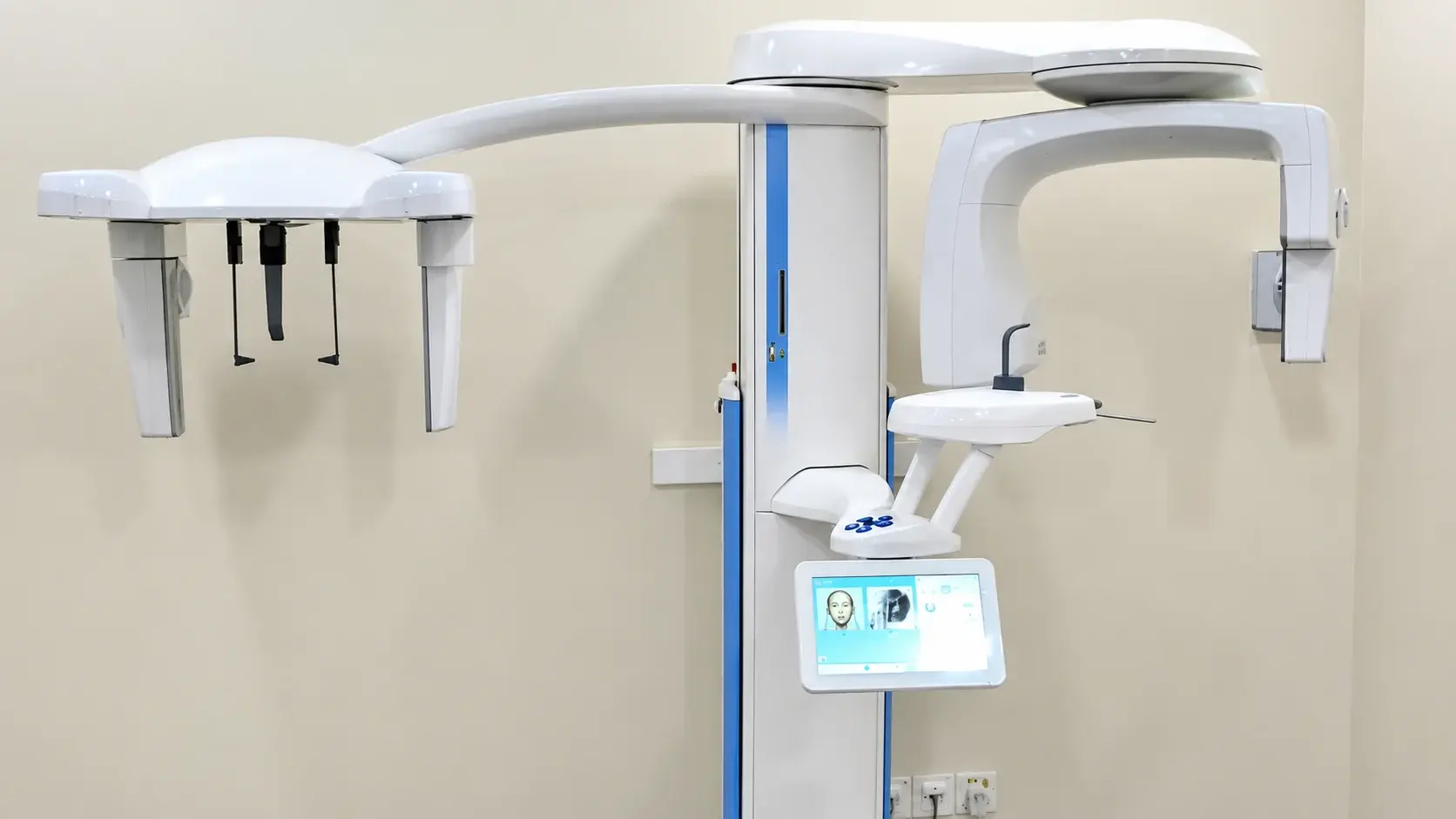
Medical Equipment Planning for Cancer Treatment Facilities
Cancer diagnosis and treatment technologies have evolved significantly over the past several decades. Modern cancer care facilities can incorporate advanced imaging, radiation therapy, nuclear medicine and specialised treatment technologies that require carefully planned infrastructure and operational support.
For healthcare projects involving these technologies, medical equipment planning plays an important role in bringing together clinical requirements, equipment specifications, infrastructure, radiation protection and operational workflows.
Planning a cancer treatment facility is therefore not simply about selecting advanced medical equipment. The building, utilities, safety systems and workflows must also be designed to support the technology safely and effectively.
Why Medical Equipment Planning Is Important in Cancer Care
Advanced cancer treatment equipment can have highly specific technical and infrastructure requirements.
Depending on the technology being implemented, a healthcare facility may need to consider:
- Radiation shielding
- Structural requirements
- Specialised utilities
- HVAC and ventilation
- High-capacity cooling systems
- Reliable electrical power
- Equipment access and installation
- Radiation safety
- Radioactive material handling
- Medical waste management
- Patient and staff workflows
These requirements need to be identified early in the healthcare project planning process.
Early coordination between medical equipment planners, healthcare users, architects, engineers, radiation protection specialists and equipment suppliers can help ensure that the facility is appropriately prepared for the selected technology.
Radiation Shielding for Cancer Treatment Facilities
Radiation protection is a fundamental consideration when planning facilities that use ionising radiation.
Equipment such as Linear Accelerators (LINACs), cyclotrons and High Dose Rate (HDR) brachytherapy systems can require specifically designed radiation protection measures.
The shielding strategy depends on the equipment, workload, room configuration and applicable safety requirements.
Primary and Secondary Radiation Barriers
Radiation shielding design can involve consideration of both primary and secondary barriers.
Primary barriers are designed to provide protection where the direct radiation beam may be incident on a structural barrier.
Secondary barriers address radiation arising from other relevant sources, such as leakage and scatter, depending on the system and room configuration.
The required shielding should be calculated and designed by appropriately qualified specialists in accordance with applicable standards, regulations and project requirements.
Maze Design in Radiation Therapy Facilities
Some radiation therapy facilities incorporate a maze as part of the access arrangement to the treatment room.
A properly designed maze can contribute to radiation protection by reducing radiation exposure along the entrance pathway.
For facilities containing LINACs and other radiation-producing equipment, the maze and shielding design need to be coordinated with:
- Equipment specifications
- Room dimensions
- Beam orientation
- Workload
- Adjacent occupied areas
- Access requirements
- Radiation protection requirements
This demonstrates why equipment planning and architectural design need to be closely coordinated.
Planning Infrastructure for LINAC Facilities
A Linear Accelerator (LINAC) is a sophisticated radiation therapy system that requires more than adequate floor space.
The facility may need to accommodate requirements relating to:
- Radiation shielding
- Equipment weight
- Electrical power
- Cooling
- HVAC
- Control systems
- Equipment access
- Patient positioning and workflow
- Maintenance access
These requirements should be identified during the early planning and design stages so that the building can accommodate the equipment appropriately.
Cyclotron Facility Planning
Cyclotrons are used in certain nuclear medicine applications, including the production of radioisotopes for medical use.
Planning for a cyclotron facility can involve additional considerations relating to:
- Radiation shielding
- Structural requirements
- Equipment installation
- Cooling systems
- Ventilation
- Electrical requirements
- Radioactive material handling
- Controlled areas
- Storage and workflow
Because of these requirements, cyclotron planning requires close coordination between equipment requirements, facility design and radiation safety considerations.
HDR Brachytherapy Suite Planning
High Dose Rate (HDR) brachytherapy is a form of radiation therapy in which a radioactive source is temporarily positioned close to or within the treatment area.
A facility supporting HDR brachytherapy therefore requires appropriate planning for the treatment room, radiation protection, equipment, patient workflow and safety systems.
Medical equipment planners need to understand the clinical and technical requirements of the system so that these considerations can be incorporated into the wider healthcare facility plan.
Structural Requirements for Advanced Medical Equipment
Some advanced healthcare technologies have significant structural requirements.
Medical equipment planners need to identify equipment weights, installation requirements and access requirements early enough for structural and architectural teams to incorporate them into the project design.
This may include consideration of:
- Equipment weight
- Floor loading
- Structural reinforcement
- Equipment delivery routes
- Installation access
- Maintenance access
- Ceiling or support requirements
Identifying these requirements late in the project can create avoidable coordination challenges.
Cooling and Chilled Water Requirements
Advanced medical equipment can generate significant amounts of heat during operation.
Depending on the equipment, the facility may require dedicated or high-capacity cooling infrastructure.
For certain systems, this may include:
- Chilled water systems
- Heat rejection systems
- Dedicated cooling equipment
- Temperature control
- Equipment-room cooling
The cooling strategy should be coordinated with the manufacturer’s technical requirements and the project’s engineering design.
HVAC and Ventilation Planning
HVAC and ventilation are another important consideration in specialised healthcare environments.
Different rooms and technologies can have different environmental requirements. These requirements need to be coordinated with the overall hospital engineering design.
Depending on the facility and technology, planning may consider:
- Temperature
- Humidity
- Air changes
- Pressure relationships
- Ventilation
- Heat loads
- Equipment-room requirements
The final design should follow the applicable healthcare engineering standards, equipment specifications and regulatory requirements.
Reliable and Uninterrupted Power Supply
Advanced medical equipment depends on reliable electrical infrastructure.
Cancer treatment and diagnostic technologies can require stable power supplies and appropriate backup arrangements depending on the equipment and facility’s operational requirements.
Planning may therefore need to consider:
- Electrical load
- Dedicated circuits
- Power quality
- Backup power
- Uninterruptible power requirements where applicable
- Equipment protection
- Emergency power systems
Electrical requirements should be established during equipment planning and coordinated with the hospital’s engineering design.
Radiopharmaceutical Handling and Hot Lab Planning
Facilities involved in nuclear medicine may require dedicated areas for the handling, preparation, storage and management of radiopharmaceuticals.
A hot lab is an example of a specialised area that requires careful planning.
Depending on the services provided, planning can involve:
- Controlled workflows
- Radiation protection
- Radiopharmaceutical storage
- Preparation areas
- Monitoring requirements
- Waste management
- Staff movement
- Patient movement
The design should support safe and efficient workflows while complying with applicable regulatory and radiation safety requirements.
Medical Waste and Radioactive Waste Management
Waste management is another important component of specialised healthcare facility planning.
Facilities handling radioactive materials may require specific procedures and infrastructure for the collection, storage and management of radioactive waste.
The exact requirements depend on the services, materials, equipment and applicable regulations.
These considerations should be incorporated into the planning process rather than treated as an afterthought.
Coordinating Clinical and Technical Requirements
One of the biggest challenges in specialised healthcare projects is connecting clinical requirements with technical infrastructure.
A radiation therapy system may have sophisticated clinical capabilities, but those capabilities can only be effectively supported when the facility provides the appropriate:
Equipment + Space + Shielding + Utilities + Safety Systems + Workflow
This is why medical equipment planning needs to be integrated with healthcare facility planning.
The Role of the Medical Equipment Planner
Medical Equipment Planners act as an important link between healthcare users, equipment suppliers and the project design team.
Their responsibilities can include understanding:
- Clinical requirements
- Equipment specifications
- Room requirements
- Infrastructure needs
- Installation requirements
- Equipment workflows
- Procurement considerations
- Commissioning requirements
For specialised technologies, this coordination becomes particularly important because equipment requirements can directly influence architectural, structural and engineering decisions.
Planning for the Complete Equipment Lifecycle
Effective medical equipment planning should extend from initial technology selection through installation and commissioning.
A typical process can include:
Clinical Requirements → Equipment Planning → Technical Specifications → Infrastructure Planning → Procurement → Delivery → Installation → Testing & Commissioning → Operational Readiness
Considering these stages together can help project teams identify infrastructure requirements before construction and installation activities are completed.
Supporting Safe and Effective Healthcare Environments
Advanced cancer treatment technologies can provide sophisticated diagnostic and treatment capabilities, but their successful implementation depends on more than the equipment itself.
The facility needs to provide an environment in which the technology can be installed, operated and maintained appropriately.
This requires coordination across multiple disciplines, including medical equipment planning, architecture, structural engineering, MEP services, radiation protection and healthcare operations.
Hanimed’s Approach to Medical Equipment Planning
At Hanimed, we understand that specialised healthcare technologies require careful coordination between equipment and infrastructure.
Our medical equipment planning and healthcare consultancy approach considers clinical requirements, technical specifications, facility requirements and operational needs throughout the project lifecycle.
For projects involving advanced imaging, radiation therapy, nuclear medicine and other specialised technologies, early identification of equipment and infrastructure requirements can help support more coordinated project planning.
Conclusion
Planning a cancer treatment facility requires a detailed understanding of both medical technology and the infrastructure needed to support it.
From LINACs and HDR brachytherapy systems to cyclotrons and nuclear medicine facilities, specialised equipment can influence radiation shielding, structural design, HVAC, cooling, electrical systems, workflows and waste management.
This is why medical equipment planning should begin early and remain integrated with healthcare facility design and project implementation.
By connecting clinical requirements with technical and infrastructure considerations, healthcare project teams can create facilities that are appropriately planned for the safe installation, commissioning and operation of advanced medical technologies.
At Hanimed, our focus is on helping healthcare projects translate complex equipment requirements into practical facility planning and operational readiness.
